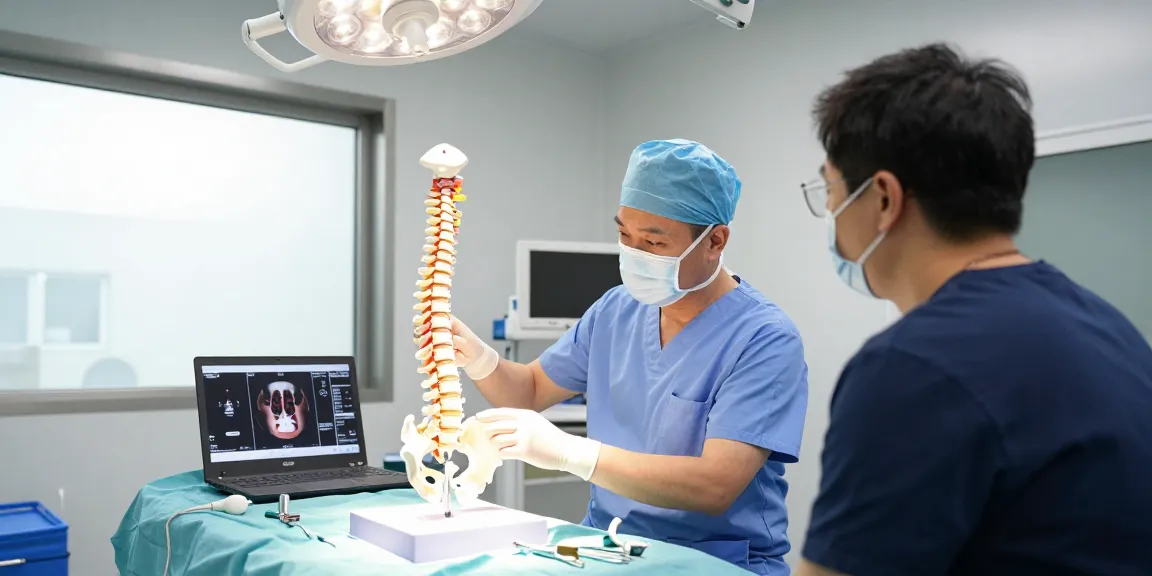
Understanding Boyun Fıtığı Ameliyatı
Herniated discs, known in Turkish as boyun fıtığı, can lead to a myriad of complications if left untreated. While many cases can be managed through conservative treatments such as medication and physical therapy, surgical intervention becomes necessary when these methods fail to alleviate symptoms. In this comprehensive article, we will explore when surgery is required for boyun fıtığı, the consequences of avoiding surgery, and the potential risks associated with the procedure. By understanding the underlying factors, patients can make informed decisions about their treatment options.
What is Boyun Fıtığı?
Boyun fıtığı, or cervical disc herniation, occurs when one of the discs located between the vertebrae in the neck protrudes outside its normal space. This can happen due to wear and tear, injury, or sudden trauma, leading to compression of nearby nerves or the spinal cord. Symptoms commonly associated with boyun fıtığı include:
- Neck pain
- Radiating pain into the shoulders and arms
- Tingling or numbness in the arms
- Weakness in the arm or hand
These symptoms can vary significantly from person to person, and in severe cases, they may lead to more serious neurological issues, necessitating immediate medical attention.
Signs That Surgery May Be Required
Identifying the signs that indicate the need for surgical intervention is critical. The following symptoms may suggest that surgery is warranted:
- Progressive Loss of Strength: If you notice a gradual decrease in muscle strength in your arms or hands, this may signify nerve compression that could lead to permanent damage.
- Severe Pain Unresponsive to Treatment: If conservative treatments, including pain management and physical therapy, do not alleviate severe pain for at least 6 to 8 weeks, surgery may be necessary.
- Symptoms of Spinal Cord Compression: This can include issues with balance, coordination, or loss of bowel and bladder control.
The Importance of Early Diagnosis
Early diagnosis and treatment of boyun fıtığı can significantly improve outcomes. When addressed promptly, patients are less likely to experience severe complications. Regular check-ups and communication with a healthcare provider can facilitate timely intervention. Moreover, diagnostic imaging, such as MRI or CT scans, plays a vital role in assessing the extent of the herniation and determining the best course of action.
Criteria for Surgery in Boyun Fıtığı Cases
When evaluating the need for surgery, several criteria must be considered. The decision to proceed with boyun fıtığı ameliyatı should be made through a comprehensive assessment involving clinical examination, imaging studies, and sometimes electrophysiological tests to gauge nerve function.
Progressive Loss of Strength and Function
Progressive muscle weakness, especially when it affects daily activities, is one of the most critical reasons for surgical intervention. If left untreated, patients risk permanent nerve damage that can lead to long-term disability.
Severe Pain Unresponsive to Conservative Treatments
Severe pain that persists despite extensive conservative treatment is another significant indication for surgery. Patients often describe this pain as debilitating, interfering with their ability to carry out everyday tasks. Surgical options aim to alleviate this pain by removing the source of the nerve compression.
Symptoms Indicating Spinal Cord Compression
Symptoms like imbalance, difficulty walking, or loss of fine motor skills can indicate spinal cord compression, requiring urgent surgical evaluation. In these cases, surgery not only helps relieve pain but also prevents further neurological damage.
Risks and Benefits of Boyun Fıtığı Ameliyatı
Like any surgical procedure, boyun fıtığı ameliyatı carries certain risks, but the benefits oftentimes outweigh the potential complications. Understanding these aspects can prepare patients for what lies ahead.
Common Surgical Risks
Risks associated with boyun fıtığı surgery include:
- Anesthesia complications: Reactions to anesthesia can occur, although they are rare.
- Infection: There is a small risk of infection at the surgical site, which can complicate recovery.
- Nerve damage: Although surgeries aim to relieve nerve pressure, there is a slight risk of additional nerve injury during the procedure.
- Difficulty swallowing: This can occur in a small percentage of cases, particularly if the surgery involves manipulation of structures near the throat.
Benefits of Undergoing Surgery
The benefits of having surgery for boyun fıtığı often include:
- Long-term relief from debilitating pain
- Improvement of neurological symptoms
- Increased capability to participate in daily activities and improve quality of life
Long-term Outcomes and Expectations
Most patients experience significant improvement post-surgery, with many reporting substantial reductions in pain and resumption of normal activities. However, recovery varies among individuals, and adherence to post-operative rehabilitation is crucial for optimal results.
Preparing for Boyun Fıtığı Ameliyatı
Preparation for surgery is essential to ensure a smooth operation and recovery process. Here are some steps to take in advance:
Preoperative Assessments and Tests
Before surgery, patients will undergo a thorough examination that may include imaging tests (MRIs, CT scans) and laboratory tests to assess overall health. These evaluations help the surgical team understand the specific characteristics of the herniation and tailor the surgical approach accordingly.
Post-Surgery Care and Rehabilitation Plan
A comprehensive post-operative care plan is crucial. This usually includes physical therapy to strengthen the neck and shoulder muscles, as well as strategies to manage pain and prevent complications.
Patient Education on Recovery Process
Patients should be informed about what to expect during recovery, including potential symptoms, restrictions on activities, and timelines for returning to normal functions. Understanding the recovery process can help alleviate anxiety and promote cooperation with rehabilitation efforts.
Future Trends in Boyun Fıtığı Treatments
The field of spinal surgery is constantly evolving, and future trends are set to enhance treatment options for boyun fıtığı significantly. Research and technology are paving the way for better surgical and non-surgical solutions.
Minimally Invasive Surgical Techniques
Advancements in minimally invasive techniques have already begun to change the landscape of boyun fıtığı surgeries. These techniques, which involve smaller incisions and less tissue damage, can lead to quicker recovery times and reduced post-operative pain.
Advancements in Pain Management
New pain management strategies, including targeted nerve blocks and enhanced recovery protocols, are being developed to ensure that patients have better control over their post-operative pain.
Emerging Research and Innovations by 2026
As research continues, expect to see innovations in biomaterials and techniques that promote faster healing and better long-term outcomes for patients undergoing boyun fıtığı surgeries.
What are the main symptoms of boyun fıtığı?
Main symptoms include neck pain, radiating pain, numbness, and weakness in the arms. Recognizing these symptoms early can lead to timely intervention.
How is boyun fıtığı diagnosed?
Diagnosis typically involves a combination of clinical evaluation, imaging studies such as MRI, and sometimes nerve conduction studies.
What are the risks associated with boyun fıtığı ameliyatı?
Risks can include anesthesia complications, infection, nerve damage, and swallowing difficulties. Understanding these risks helps in making informed decisions.
How can one prepare for boyun fıtığı surgery?
Preparation includes preoperative assessments, following doctors' instructions regarding medications, and understanding the post-operative care plan.
What is the recovery time after boyun fıtığı ameliyatı?
Recovery time varies but typically ranges from a few weeks to a few months, depending on the extent of surgery and adherence to rehabilitation protocols.. Additionally, Boyun fıtığı ameliyatı provides further details.