Understanding Scarborough Maine Physical Therapy
Physical therapy is a cornerstone of recovery and rehabilitation, particularly for individuals looking to reclaim their active lifestyles. In Scarborough, Maine, the practice encompasses a range of specialized treatments designed to address diverse physical ailments. From sports injuries to chronic pain conditions, patients can benefit from tailored approaches that prioritize both their immediate recovery needs and long-term health goals. When exploring options, Scarborough Maine Physical Therapy offers comprehensive insights into how these services can effectively aid in rehabilitation.
What is Physical Therapy and Its Importance?
Physical therapy (PT) involves the evaluation and treatment of physical issues through various therapeutic methods. It is essential for those recovering from injury, surgery, or those managing chronic pain. The primary goal of PT is to alleviate pain, restore function, enhance mobility, and improve overall quality of life. By engaging patients in their own recovery processes, physical therapists empower individuals to take control of their health journeys.
Types of Treatments Available in Scarborough
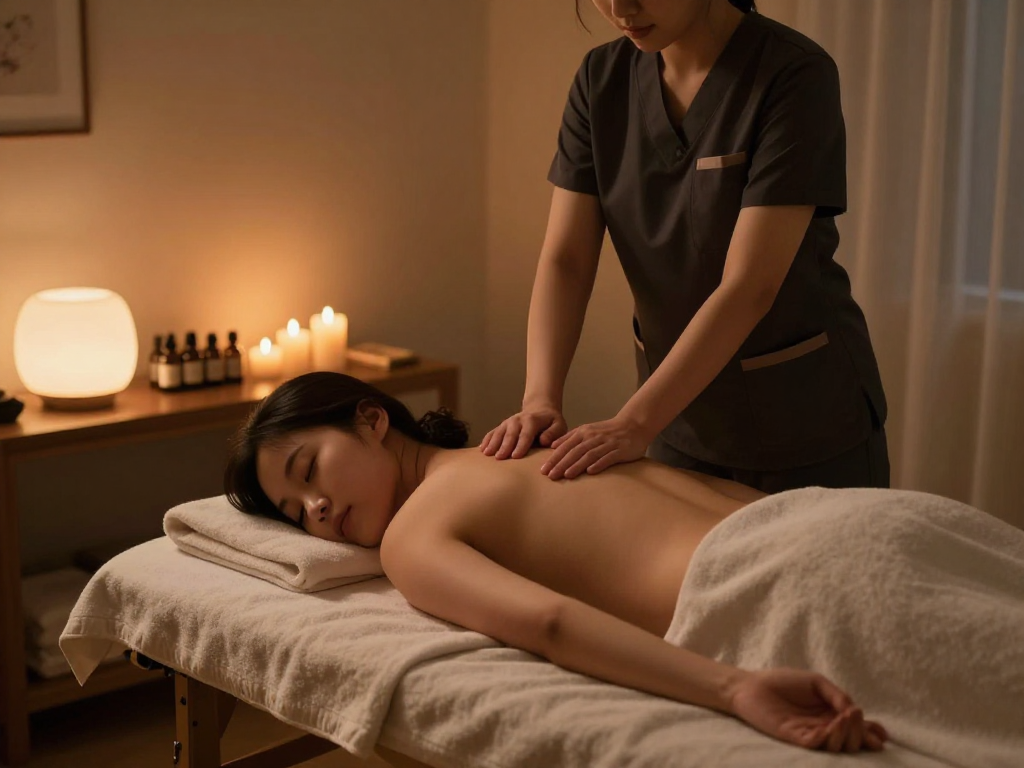
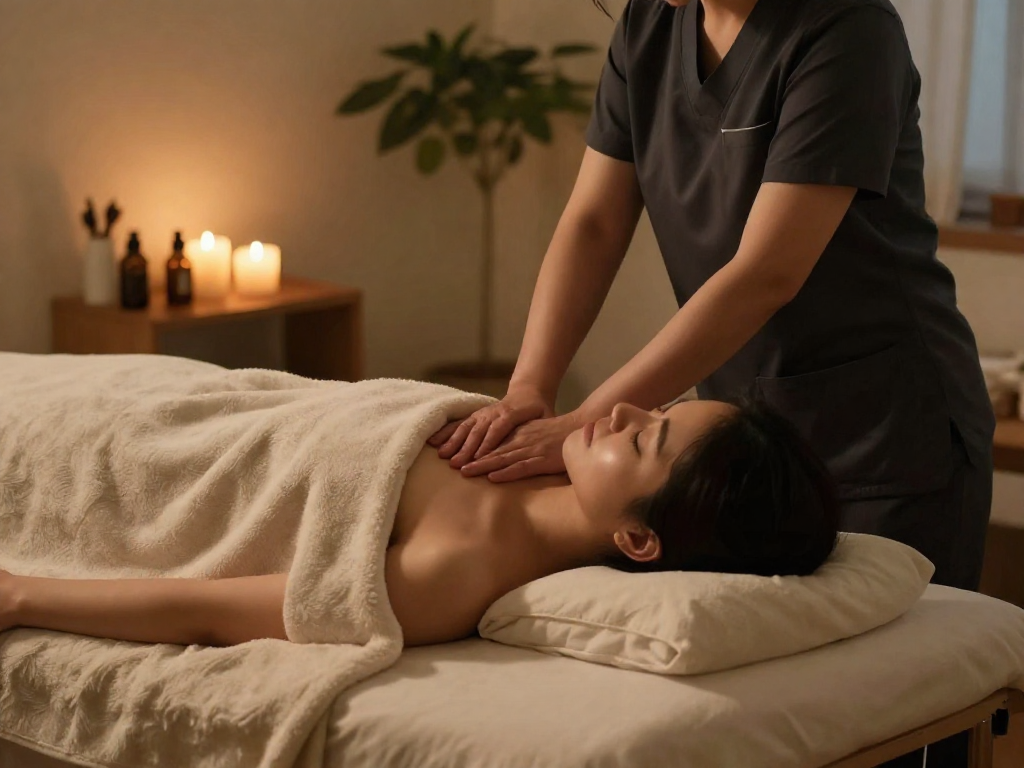
- Manual Therapy: Techniques such as myofascial release and trigger point therapy help relieve tension and improve circulation.
- Dry Needling: This technique targets specific muscle trigger points using thin acupuncture-style needles to relieve pain and tension.
- Cupping Therapy: Suction cups applied to the skin promote blood flow and assist in muscle recovery.
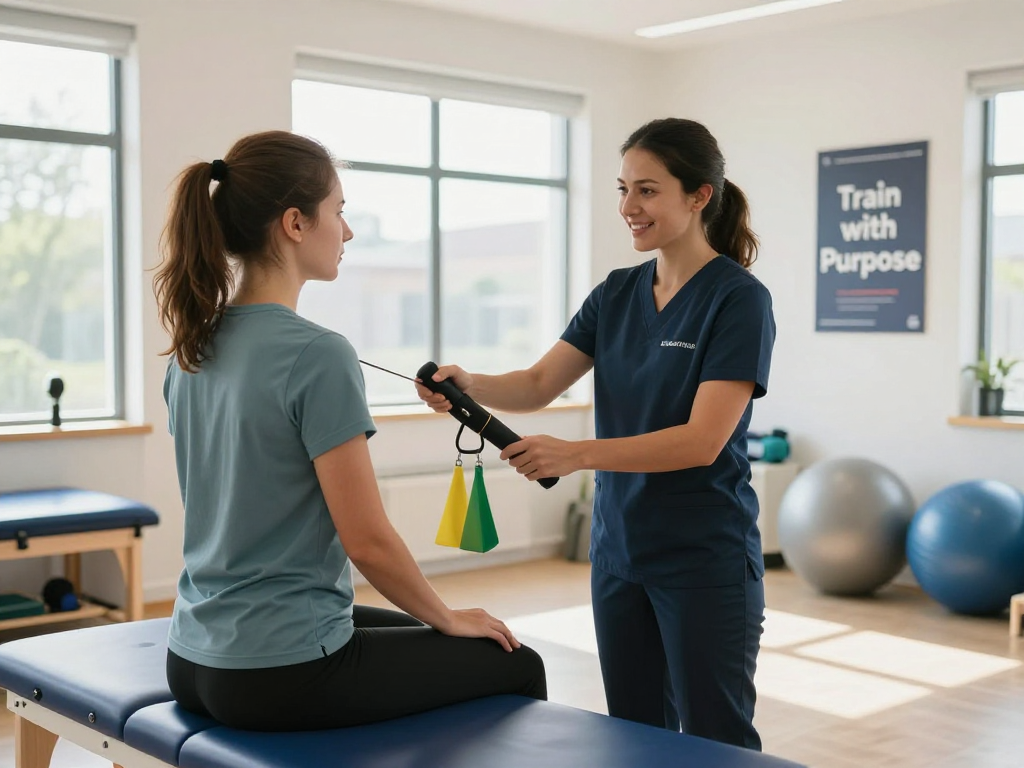
- Exercise Programming: Custom workout plans designed to enhance strength and functionality, tailored to individual needs.
Benefits of Personalized Physical Therapy Plans
Every patient is different, which is why personalized physical therapy plans are crucial. These plans allow for individualized treatment strategies that specifically address the unique physical challenges each person faces. By assessing factors such as lifestyle, activity level, and personal goals, therapists can create bespoke programs that not only resolve immediate issues but also promote long-term health and wellness.
Key Techniques for Effective Rehabilitation
Myofascial Release: Techniques and Benefits
Myofascial release (MFR) is a hands-on technique that targets the fascia—the connective tissue surrounding muscles and organs. This therapy helps alleviate pain by releasing tension and restrictions within the body. Practitioners employ gentle sustained pressure to areas of tightness, which can significantly improve mobilization and flexibility.
Dry Needling: What You Need to Know
Dry needling is a skilled technique that can be used to treat a variety of ailments, especially muscle pain and tightness. During a session, practitioners insert fine needles into specific muscle trigger points. This promotes the release of muscular tension and improves blood flow, providing rapid relief for patients dealing with chronic discomfort.
Cupping Therapy: Enhancing Recovery and Performance
Cupping therapy has gained popularity as a complementary treatment in physical therapy. The technique involves placing cups on the skin to create suction, which increases blood flow to the area and helps relieve muscle pain and tension. Additionally, it supports recovery by promoting lymphatic drainage, which is vital for overall wellness.
Personalized Exercise Programming
How to Create a Customized Workout Plan
To develop a customized workout plan, physical therapists assess the individual's current physical condition, lifestyle, and goals. This involves understanding the patient’s history, current activities, and areas of concern. By doing so, therapists can implement effective rehabilitation exercises tailored to each patient, ensuring safety and optimal results.
Tracking Progress with Technology
Modern physical therapy leverages technology to monitor patient progress effectively. Apps and wearable devices can track movements, measure strength, and assess improvements over time. This information enables therapists to make data-driven adjustments to treatment plans, ensuring they remain effective and aligned with patient goals.
Incorporating Remote Coaching into Your Regimen
With advancements in telehealth, remote coaching has become an integral part of physical therapy. This allows patients to receive guidance and support from their therapists, even from the comfort of their homes. Remote coaching promotes accountability and provides ongoing motivation, essential for maintaining progress toward health goals.
Patient Success Stories and Testimonials
Real Results from Our Patients
Success stories serve as powerful motivation for those considering physical therapy. Patients have reported significant improvements in pain management and mobility, often sharing how tailored treatment plans have allowed them to return to the activities they enjoy. Such testimonials reinforce the effectiveness of individualized care approaches.
Overcoming Common Challenges in Recovery
Recovery from injury can present several challenges, including pain management, motivation, and adherence to prescribed treatment plans. Skilled physical therapists work closely with patients to address these barriers by developing supportive environments and strategies tailored to individual challenges.
Long-Term Strategies for Pain Management
Long-term pain management strategies include ongoing physical therapy, home exercise programs, and regular assessments. Incorporating lifestyle changes, such as effective stretching routines and strength training, can also support lasting relief and prevent future injuries.
Future Trends in Physical Therapy
Innovative Techniques on the Horizon
As the field of physical therapy continues to evolve, innovative techniques such as virtual reality therapy and advanced biofeedback are anticipated to play significant roles in rehabilitation. These methods provide immersive experiences that can enhance patient engagement and promote faster recovery.
2026 Healthcare Developments Impacting Therapy Practices
As healthcare paradigms shift toward holistic and integrated care models, physical therapy practices are likely to adapt by incorporating interdisciplinary approaches. The emphasis will be on treating not just the physical aspects of injury but also addressing mental health and overall wellness.
What’s Next for Physical Therapy in Scarborough?
In Scarborough, the future of physical therapy looks promising with a continued focus on personalized treatment and integration of technology. Clinics that emphasize individualized care will likely thrive as patients seek effective and efficient rehabilitation solutions. The community can expect to see more programs tailored to specific needs, ensuring everyone can achieve their health and fitness goals.
Frequently Asked Questions
What techniques are included in Scarborough Maine Physical Therapy?
Scarborough Maine Physical Therapy encompasses a range of techniques including myofascial release, dry needling, cupping therapy, and personalized exercise programming. Each technique is selected based on the patient’s individual needs and goals.
How can I find the right physical therapist for my needs?
Finding the right physical therapist involves researching qualifications, areas of specialization, and patient reviews. It’s essential to choose a therapist who aligns with your specific needs and recovery goals.
What can I expect during my first therapy session?
During your first therapy session, expect a comprehensive evaluation where the therapist will assess your medical history, physical condition, and specific issues. This session will set the foundation for your personalized treatment plan.
Are treatment plans customizable at Stagg Performance Physical Therapy?
Yes, treatment plans at Stagg Performance Physical Therapy are fully customizable. Each plan is designed to address the unique needs and goals of the patient, ensuring effective recovery.
Can physical therapy help with sports injuries?
Absolutely! Physical therapy is highly effective for treating sports injuries. Customized rehabilitation programs can aid in recovery and help prevent reinjury, allowing athletes to return to their sport safely.