
Understanding Copper Peptides in Research
Copper peptides have garnered significant attention in recent years within the realms of biochemistry and dermatological research. These small fragments of proteins, which contain copper ions, play critical roles in various biological functions. From promoting wound healing to enhancing skin health, the potential applications of copper peptides seem boundless. As scientists delve deeper into the intricacies of copper peptide research, understanding how these compounds interact with the body can lead to groundbreaking advancements in healthcare and cosmetic products.
What Are Copper Peptides?
Copper peptides are short chains of amino acids combined with copper ions. The most researched of these is GHK-Cu (glycyl-L-histidyl-L-lysine), which is naturally found in the human body and is known to have profound effects on skin health and healing. These peptides facilitate the delivery of copper into cells, which is vital for producing enzymes necessary for various biochemical processes, including collagen synthesis, antioxidant defense, and the promotion of wound healing.
The Role of Copper in Biological Systems
Copper is an essential trace element in the human body, playing a pivotal role in several critical biological functions. It aids in iron metabolism, promotes the formation of red blood cells, and contributes to nervous system health. In skin biology, copper is crucial for the cross-linking of collagen and elastin, proteins responsible for skin structure and elasticity. The synergy of copper with peptides amplifies these effects, leading to enhanced tissue repair and regeneration.
Current Trends in Copper Peptide Research
The latest studies in copper peptide research focus on their potential therapeutic benefits in various medical fields, including dermatology and regenerative medicine. Researchers are investigating the use of copper peptides in treatments for chronic wounds, acne scars, and even post-surgical recovery. Furthermore, the cosmetic industry has embraced these findings, highlighting copper peptides in anti-aging skincare products for their ability to improve skin texture and reduce fine lines.
Benefits of Copper Peptide Research
Enhancing Skin Health: An Overview
One of the most significant benefits of copper peptide research lies in its application to skin health. Clinical studies have shown that GHK-Cu can enhance collagen and elastin production, resulting in improved skin firmness and elasticity. Additionally, its antioxidant properties help combat oxidative stress, which is a major contributor to skin aging. Regular use of copper peptides in skincare routines can lead to a noticeable reduction in wrinkles and age spots.
Impact on Wound Healing and Tissue Repair
Copper peptides play a vital role in wound healing, stimulating the repair processes and accelerating tissue regeneration. They enhance fibroblast migration—cells essential for healing—and promote the synthesis of extracellular matrix components, which are necessary for wound closure. Research indicates that topical application of copper peptides can significantly reduce healing time for various types of wounds, including burns and surgical incisions.
Potential Anti-Aging Applications
The anti-aging properties of copper peptides have made them a focal point in cosmetic research. Studies suggest that these peptides can not only improve skin appearance but also reverse some signs of aging at a cellular level. By promoting collagen production and reducing inflammation, copper peptides may help restore youthful skin characteristics, making them a promising ingredient in anti-aging formulations.
Challenges in Copper Peptide Research
Common Misconceptions About Copper Peptides
Despite the emerging evidence supporting the benefits of copper peptides, several misconceptions persist. One common myth is that all copper-containing products are equally effective; however, the specific formulation, concentration, and the presence of other active ingredients play crucial roles in the efficacy of copper peptides. Additionally, some believe that topical application of copper peptides can lead to skin irritation or discoloration, but studies suggest that they are generally safe for various skin types.
Regulatory Issues in Research and Development
As with any emerging compound, copper peptides face regulatory scrutiny. The status of copper peptides as cosmetic ingredients varies by region, affecting their availability and application in product formulations. Researchers need to navigate these regulations carefully, ensuring that studies meet the required ethical and safety standards while addressing potential side effects and long-term impacts.
Funding and Resource Allocation Challenges
Research in the field of copper peptides often faces financial constraints, as it competes with more established areas of study for funding. This can limit the scope of research projects and slow down the pace of advancements. Increased investment from both private and public sectors is essential to unlock the full potential of copper peptide applications in medicine and cosmetics.
Best Practices for Conducting Research
Setting Up a Laboratory for Copper Peptide Studies
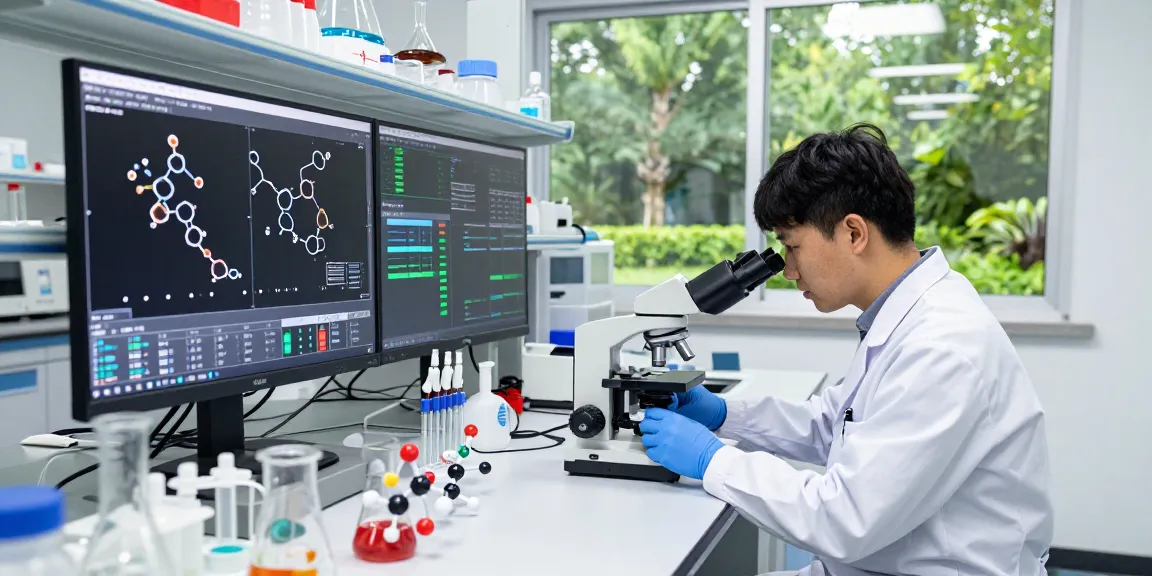
Establishing a dedicated laboratory for copper peptide research involves careful planning and resource allocation. Researchers must ensure that they have access to high-quality copper peptide samples and advanced analytical tools to measure their effects accurately. Adequate training for lab personnel on handling these compounds is also necessary to maintain safety and integrity in research practices.
Collaboration and Networking in the Scientific Community
Collaboration is key to advancing copper peptide research. By building networks with other researchers, scientists can share findings, pool resources, and foster innovation. Collaborative projects can open doors to multidisciplinary approaches that enhance the understanding and application of copper peptides in various fields.
Ethics in Copper Peptide Research
Maintaining ethical standards in research is paramount, especially when studying materials that have potential implications for human health. Researchers must uphold transparency, obtain necessary approvals for clinical trials, and prioritize participant safety. Ethical considerations also extend to the commercialization of copper peptide products, ensuring that marketing claims are backed by scientific evidence.
Future Directions in Copper Peptide Research
Emerging Technologies and Their Potential
Advancements in biotechnology and materials science are paving new paths for copper peptide research. Innovative delivery methods, such as nanotechnology and encapsulation techniques, may enhance the stability and efficacy of copper peptides in formulations. These technologies can improve absorption rates, making them more effective for therapeutic and cosmetic applications.
Predictions for 2026 and Beyond
Looking ahead to 2026, it is expected that copper peptide research will continue to flourish, with new studies revealing additional benefits and applications. As more data becomes available, we anticipate a clearer understanding of how copper peptides can be integrated into various therapeutic regimens, particularly for age-related conditions and chronic skin diseases.
Integrating Copper Peptides into Clinical Practices
The integration of copper peptides into clinical practices will require rigorous testing and validation of their efficacy and safety. As researchers uncover more about the mechanisms behind copper peptides, healthcare providers may adopt these compounds as part of standard treatments for skin conditions, enhancing patient care and outcomes.
What Are the Possible Risks of Copper Peptide Use?
While copper peptides are generally regarded as safe, potential risks cannot be ignored. Some individuals may experience allergic reactions or irritation, particularly if used in conjunction with other active ingredients. Further research into long-term exposure and the effects of high concentrations of copper peptides is necessary to ensure consumer safety.
How Can Researchers Ensure Quality Control in Studies?
Quality control is vital in conducting reliable copper peptide research. Researchers should adhere to standardized protocols, utilize well-characterized peptide samples, and implement stringent testing methods to assess the purity and activity of copper peptides. Regular audits and peer evaluations can help maintain the integrity of research findings.
What Future Innovations Can Be Expected in the Field?
Future innovations in copper peptide research may include the development of novel peptide sequences with enhanced bioactivity or the synthesis of hybrid compounds that combine the benefits of copper peptides with other bioactive ingredients. These innovations could lead to more effective therapies and cosmetics, drastically changing the landscape of skin health and healing.