
Understanding LASIK 激光矯視: The Basics
LASIK 激光矯視, or Laser-Assisted In Situ Keratomileusis, is a revolutionary eye surgery that has transformed the landscape of vision correction. This minimally invasive procedure has gained immense popularity across the globe, particularly in South Korea, where advanced technology and expertise combine to deliver exceptional outcomes. At the forefront of this transformation is the SNU Eye Clinic, renowned for its state-of-the-art techniques and personalized patient care. When exploring options, lasik 激光矯視 provides comprehensive insights into the procedure, ensuring patients are well-informed and confident in their decisions.
What is LASIK 激光矯視?
LASIK 激光矯視 is a laser eye surgery designed to correct common vision problems, including nearsightedness, farsightedness, and astigmatism. The procedure reshapes the cornea, the clear front part of the eye, allowing light to focus correctly on the retina. This offers a potential alternative to glasses and contact lenses, making it a favored choice for many. The procedure is typically quick, taking about 10 to 15 minutes per eye, and the recovery period is remarkably swift, with many patients experiencing improved vision within the first day.
How LASIK Works: Technology Behind the Procedure
The process of LASIK involves several advanced technologies aimed at achieving the best visual outcomes. Initially, a surgeon uses a special laser to create a thin flap in the cornea. This flap is then lifted to allow a second, precise laser to reshape the underlying corneal tissue. This adjustment ensures that light entering the eye is accurately focused onto the retina. The flap is then repositioned, and it naturally adheres without the need for stitches. The precision of this procedure is critical to its success, and modern LASIK employs sophisticated tracking systems to ensure the laser aligns perfectly with the patient’s eye movements.
Benefits of LASIK 激光矯視 for Vision Correction
One of the most significant benefits of LASIK is the immediate improvement in vision quality. Many patients can achieve 20/25 vision or better, which is often sufficient for most daily activities, including driving. Additionally, LASIK is known for its minimal discomfort during the procedure and a fast recovery time, allowing patients to return to their normal routines quickly. Furthermore, because LASIK is a permanent solution for vision correction, it saves individuals the long-term costs associated with glasses and contact lenses, making it a financially wise decision over time.
Key Innovations in LASIK Technology
Advanced Diagnostic Tools for Customized Treatment
The landscape of LASIK technology continues to evolve, with innovative diagnostic tools enhancing the precision of the procedure. Wavefront technology, for example, maps the unique imperfections in each patient’s eye, allowing for a customized treatment plan. This personalization can lead to better visual outcomes and reduce the risk of side effects such as glare and halos at night. At SNU Eye Clinic, we utilize these advanced diagnostic techniques to ensure that each patient receives the most appropriate treatment tailored to their specific needs.
Minimally Invasive Techniques in LASIK 激光矯視
Minimally invasive techniques are at the core of LASIK’s appeal. The use of femtosecond lasers for flap creation has improved surgical safety and precision, leading to faster recovery times and fewer complications. These advancements minimize the trauma to the eye, allowing for a more comfortable experience during and after the surgery. The trend toward less invasive procedures aligns with global movements in healthcare that prioritize patient comfort and rapid recovery.
The Role of Artificial Intelligence in Eye Surgery
Artificial Intelligence (AI) is playing an increasingly vital role in LASIK surgery. AI systems can analyze complex data sets from pre-operative assessments to predict surgical outcomes accurately. This predictive capability helps surgeons make informed decisions about the best approach for each patient, drastically minimizing the chances of complications. As AI technology continues to advance, the accuracy and safety of LASIK procedures are expected to further improve, offering even better results for patients.
Patient Experience: What to Expect Before, During, and After
Pre-operative Assessments and Consultations
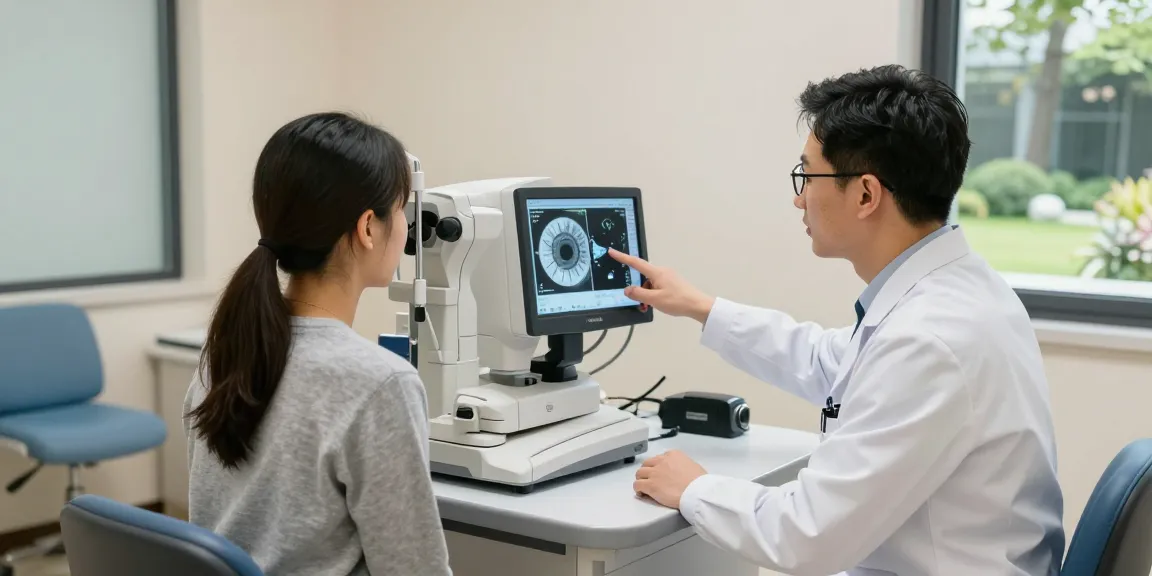
Prior to undergoing LASIK 激光矯視, patients will attend a comprehensive pre-operative consultation. This involves detailed assessments of their eye health and vision, utilizing cutting-edge diagnostic tools to ensure they are suitable candidates for the procedure. During this consultation, patients also have the opportunity to discuss their expectations, potential risks, and recovery processes with their surgeon. This thorough preparation ensures that patients are well-informed and comfortable moving forward with the surgery.
The LASIK Procedure: Step-by-Step Guide
The LASIK procedure itself is straightforward and efficient. On the day of surgery, patients are typically given a mild sedative to help them relax. The procedure starts with the surgeon applying numbing eye drops to eliminate discomfort. Then, a suction ring is placed on the eye to stabilize it during the flap creation. The laser is used to form the corneal flap, after which the underlying cornea is reshaped. Finally, the flap is repositioned, and the procedure is complete. Most patients report feeling only slight pressure during the operation, with minimal pain.
Post-operative Care for Optimal Recovery
Post-operative care is crucial for achieving the best results after LASIK. Patients are advised to rest their eyes and avoid strenuous activities for at least 24 hours. They should use prescribed eye drops to prevent infection and support healing. Follow-up appointments are also essential to monitor the healing process and assess visual acuity. It’s common for patients to experience fluctuations in their vision during the first few weeks, but these typically stabilize as the eyes heal.
Common Myths and Misconceptions about LASIK 激光矯視
Debunking Myths: Is LASIK Safe?
Many individuals hesitate to undergo LASIK due to misconceptions regarding its safety. One prevalent myth is that LASIK is unsafe. In reality, LASIK has a high safety record when performed by qualified, experienced surgeons in accredited facilities. Most complications are rare and manageable. Comprehensive pre-operative evaluations help identify any potential risks, ensuring that only suitable candidates proceed with the surgery.
Understanding Realistic Expectations and Results
Another common misunderstanding is that all LASIK procedures yield perfect vision. While many patients achieve significant improvements, results can vary based on individual factors such as eye health and prescription strength. It’s essential for patients to have realistic expectations and understand that while LASIK can drastically reduce reliance on glasses or contact lenses, not everyone will achieve perfect vision.
Who is a Good Candidate for LASIK?
Ideal candidates for LASIK include those aged 18 and older with stable vision prescriptions for at least a year. Additionally, individuals with no significant eye conditions, such as cataracts or glaucoma, are more likely to benefit from the procedure. Patients should also be in good overall health to ensure the best surgical outcomes. A thorough consultation with a qualified ophthalmologist can help determine candidacy.
Future Trends in Eye Care and LASIK 激光矯視
Predictions for LASIK Technology in 2026
As we look ahead to 2026, the future of LASIK technology appears promising. Innovations are expected to further refine surgical techniques, making them even safer and more effective. Enhanced imaging technologies and predictive analytics will allow for increasingly personalized treatment plans. Furthermore, as awareness and acceptance of LASIK grow globally, more individuals are likely to seek out these advanced solutions for vision correction.
Emerging Treatments and Alternatives to LASIK
While LASIK remains a leading choice for vision correction, new treatments are emerging. Techniques such as SMILE (Small Incision Lenticule Extraction) and ICL (Implantable Collamer Lens) offer alternatives for individuals who may not be suitable candidates for LASIK. Each of these alternatives has its unique advantages, and ongoing research continues to improve outcomes and expand treatment options.
Global Trends in Eye Health and Patient Care
The increasing focus on eye health in global healthcare initiatives is helping to raise awareness of the importance of maintaining vision. Preventive care is becoming more emphasized, with initiatives aimed at educating the public about eye health, the effects of screen time, and regular eye exams. With these trends, more individuals will likely explore corrective options, including LASIK 激光矯視, as part of a broader commitment to their overall health.
What are the risks of LASIK 激光矯視?
While LASIK is generally considered safe, there are potential risks involved, including dry eyes, glare, halos, and under/over-correction. These risks can often be managed effectively, but it is crucial for potential candidates to discuss these with their surgeon during consultations. Understanding these risks beforehand allows for informed decision-making.
How long does the LASIK procedure take?
The LASIK procedure itself typically takes about 10 to 15 minutes per eye. However, patients should expect to be at the clinic for a few hours to complete the pre-operative assessments and post-operative care instructions.
Can LASIK be performed on individuals with high prescriptions?
Yes, LASIK can be performed on individuals with higher prescriptions, but candidacy will depend on specific factors such as corneal thickness and overall eye health. Advanced technologies now allow for effective treatments for a wider range of prescriptions.
What aftercare is required following LASIK?
Post-operative care is essential after LASIK. Patients are typically prescribed eye drops to aid healing and reduce the risk of infection. It’s crucial to attend follow-up visits to monitor recovery and address any concerns promptly.
Are there age restrictions for LASIK 激光矯視?
LASIK is generally recommended for individuals aged 18 and older. This is because vision prescriptions tend to stabilize in early adulthood. However, age alone is not a disqualifier; other health factors must also be considered.